Resurrection
“The museum is a collection of everything outlived, dead, unsuitable for use; but precisely because of this it is the hope of the century, for the existence of a museum shows that there are no finished matters”
Nikolai Fedorov
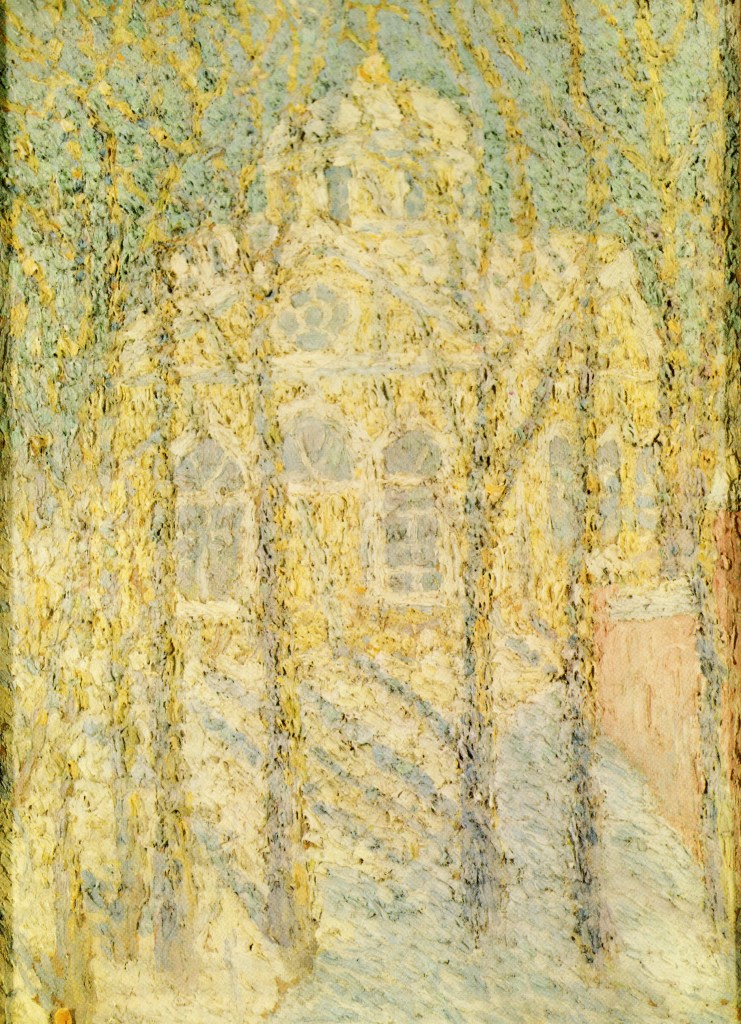
Kazimir Malevich is considered the founder of Suprematism, an area of art practice which branches out of abstractionism. His 1903 work titled, “Church” is an overt example of spirituality in Russian art. For Fedorov, the church functioned as an icon to guide the construction of the new museum. The museum was to become a ritual site through its symbolic role of reviving and displaying history and art, that together, told the stories of people.
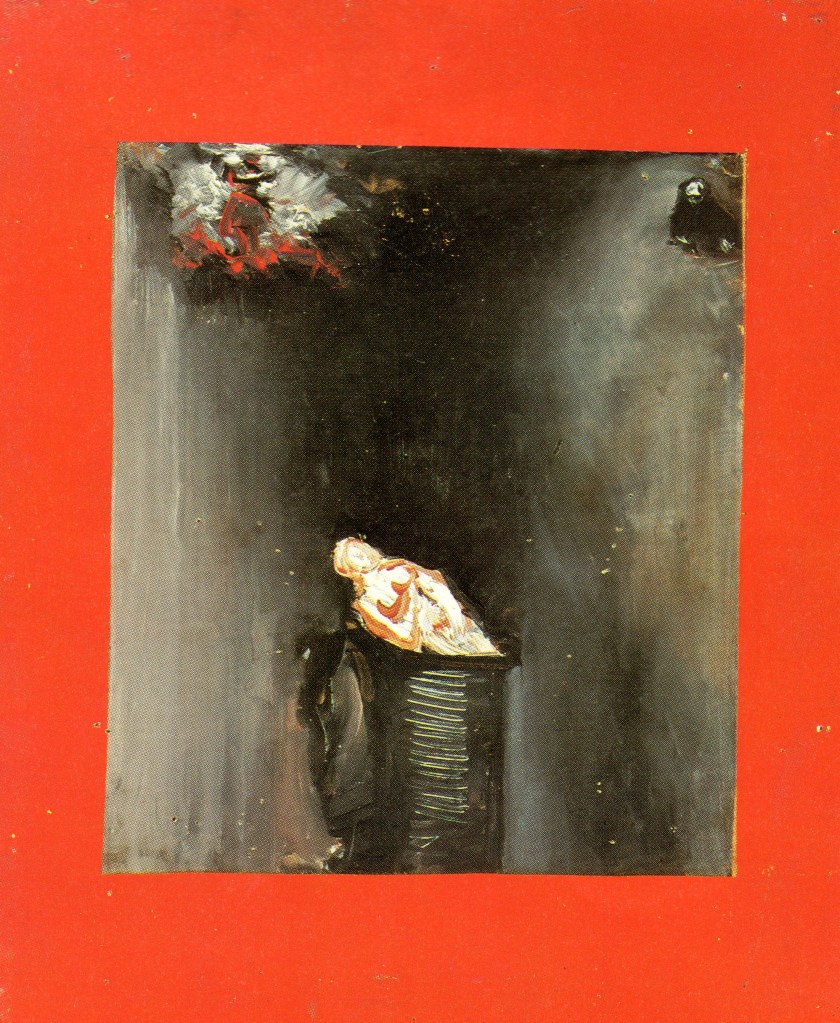
“Figure on a Red Ground” by Solomon Nikritin is a representative piece of the Russian avant-garde movement. Over his lifetime, Nikritin’s work concerned itself with the biomechanics of human movement and attention to the everyday details of life. “Figure on a Red Ground” depicts a transferal from one realm to another. The painting can be interpreted as an image of resurrection. Resurrection need not be interpreted literally but as a guiding principle for museum work. The museum is “a collection of everything outlived, dead, unsuitable for use; but precisely because of this it is the hope of the century, for the existence of a museum shows that there are no finished matters. The museum is the highest instantiation that can and must return life, not take it.” -Nikolai Fedorov.

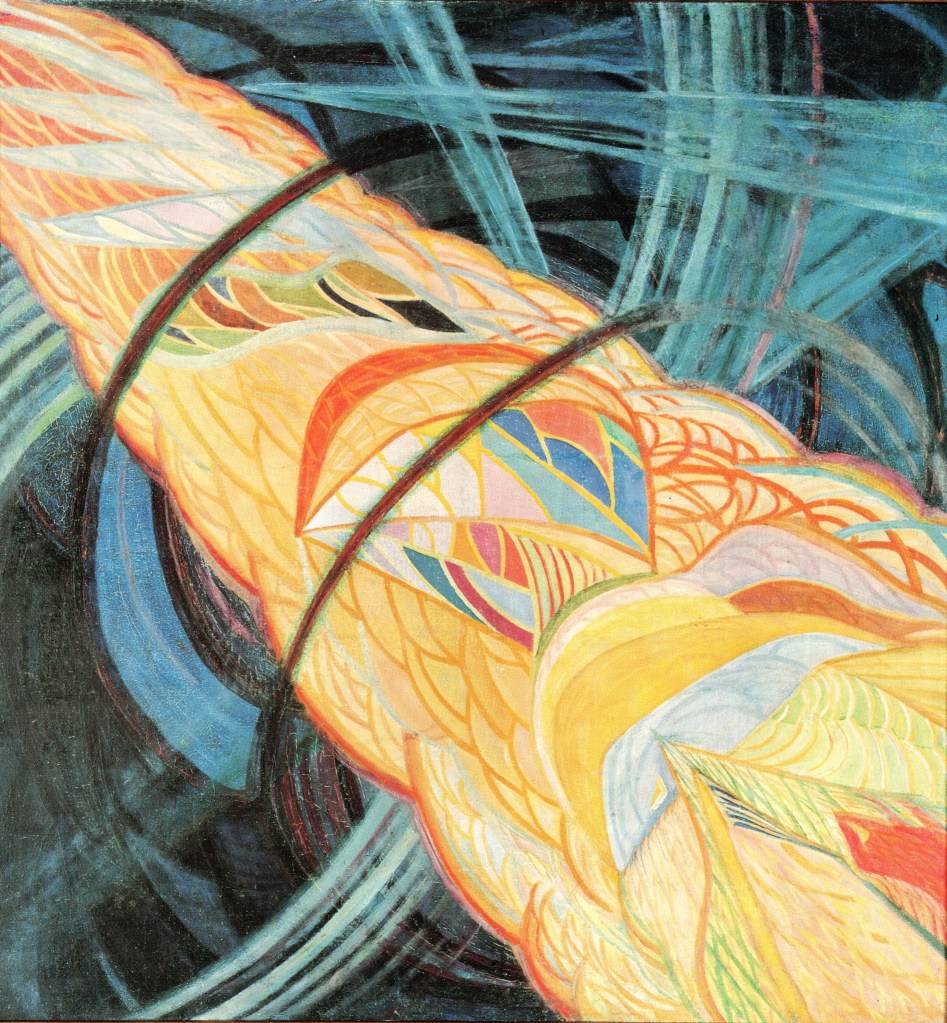
The direct, literal title of Vasily Chekrygin’s “Resurrection” is representative of the ideological tenet in Soviet Museology which proclaimed the museum to be a beacon of hope. Everything that is considered outlived, dull, or useless is given a place in the museum. Nikolai Fedorov expressed the hopefulness of the museum when he wrote, “For the museum, there is nothing hopeless, “sung out”, i.e. something that is impossible to revive and resurrect. Only those who wish revenge will find no consolation in it, for it is not a power, and containing a reconstructing force within itself, it is powerless to punish–for only life can resurrect, not death, not deprivation of life, not murder!” -Nikolai Fedorov
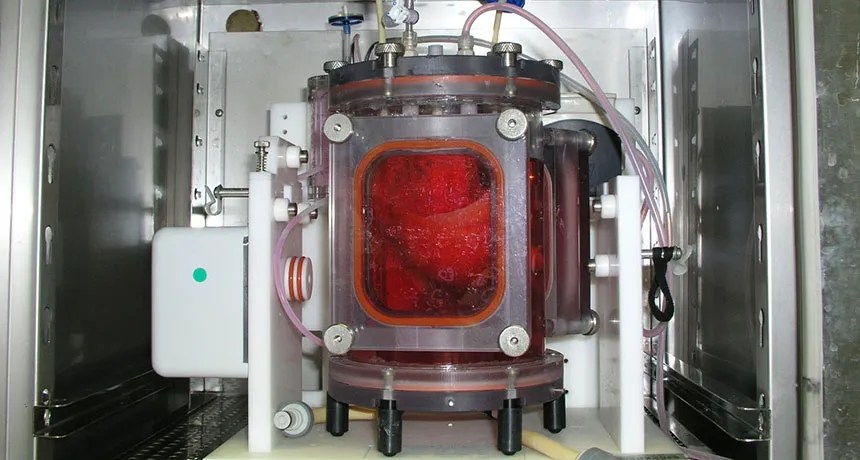
Courtesy of Science News.
Inside of the futuristic receptacle lives a pair of lungs, created and cared for by scientists, these bioengineered lungs were successfully transplanted into a living pig. Each lung grew for 30 days inside a bioreactor tank full of nutrient formulas that helped cells stick together and multiply in the right stops. The bioengineered lungs were used to replace the left lung of four pigs. Remarkably, none of the four pigs bodies rejected the bioengineered lung. In all four pigs, the bioengineered lung’s blood vessels plugged into the animal’s natural circulatory system, supplying the organ with oxygen and nutrients to survive. Researchers are working to modify the process in hopes of one day being able to bioengineer organs for humans.
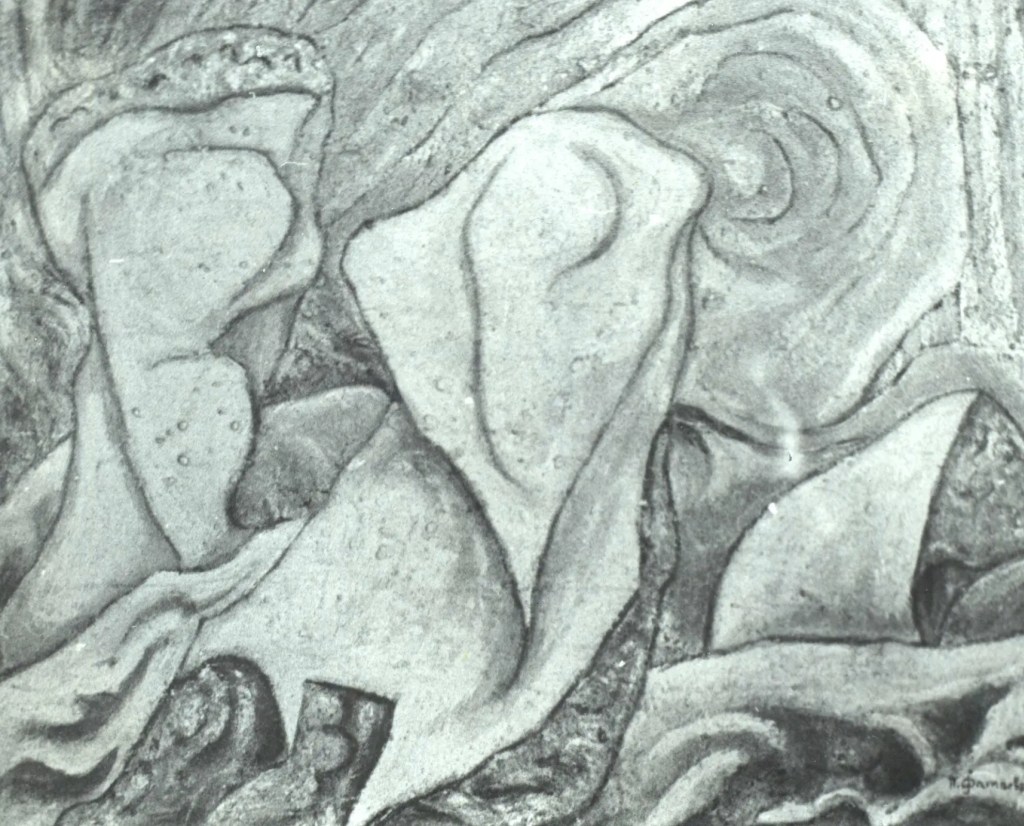
“Experience of building a new world by association with the old one” is an exemplary model of what is now considered Cosmist art. Inspired by the power of evolution and invigorated by the radical shifts in early 20th century life due to technological development, Cosmist art symbolically represented the idea that evolution of our planets, cell life, universe was inevitable due to such technological advancements. Why not include our own humanity as part of such an evolution? To this point Fedorov wrote, “Inside, the museum is a project, and outside, it is its realization, the project of exodus and the changing of a thinking city into an active village, the transforming of a lethal force into a life-giving one…The museum-temple is a force, which leads from the judicial and economic urban discord to village, moral, and kin harmony, a force that turns energy lost in struggle into the purpose of the fatherland.” –Nikolai Fedorov.
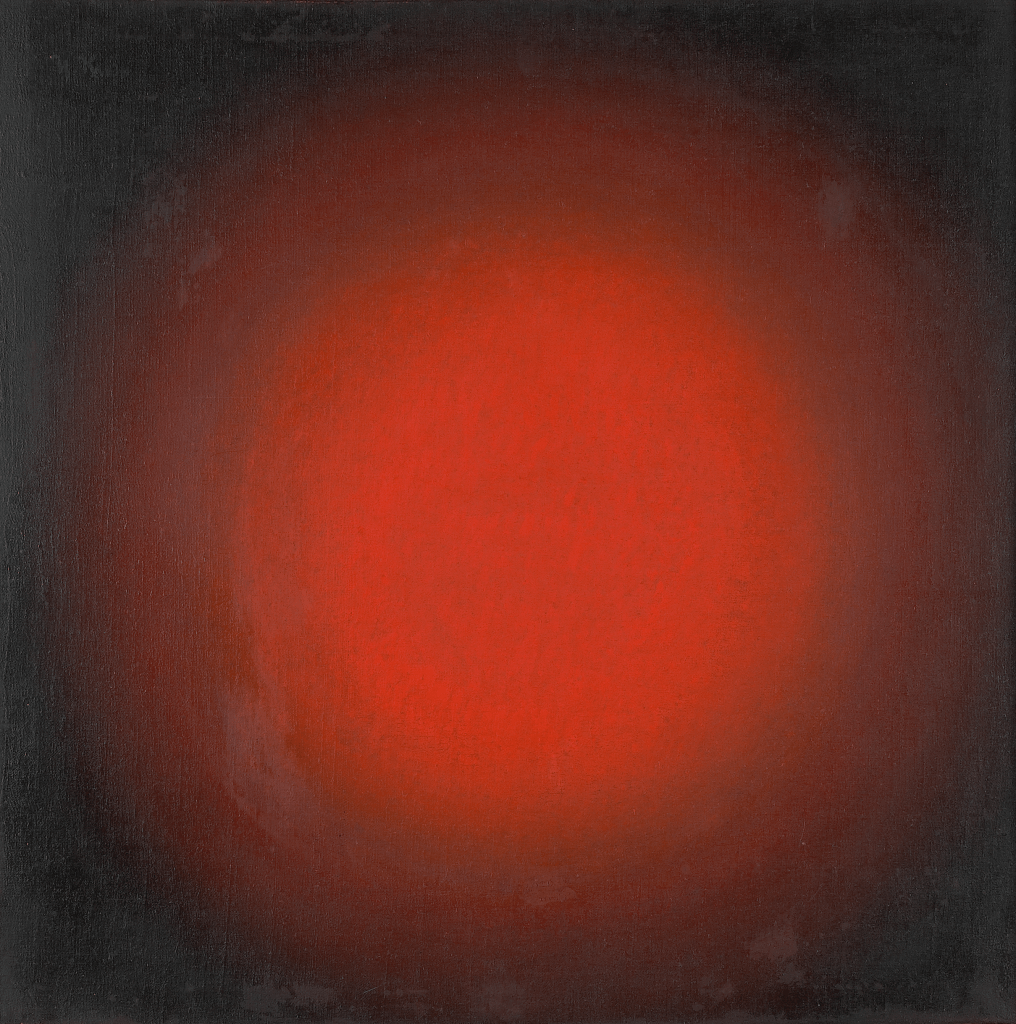
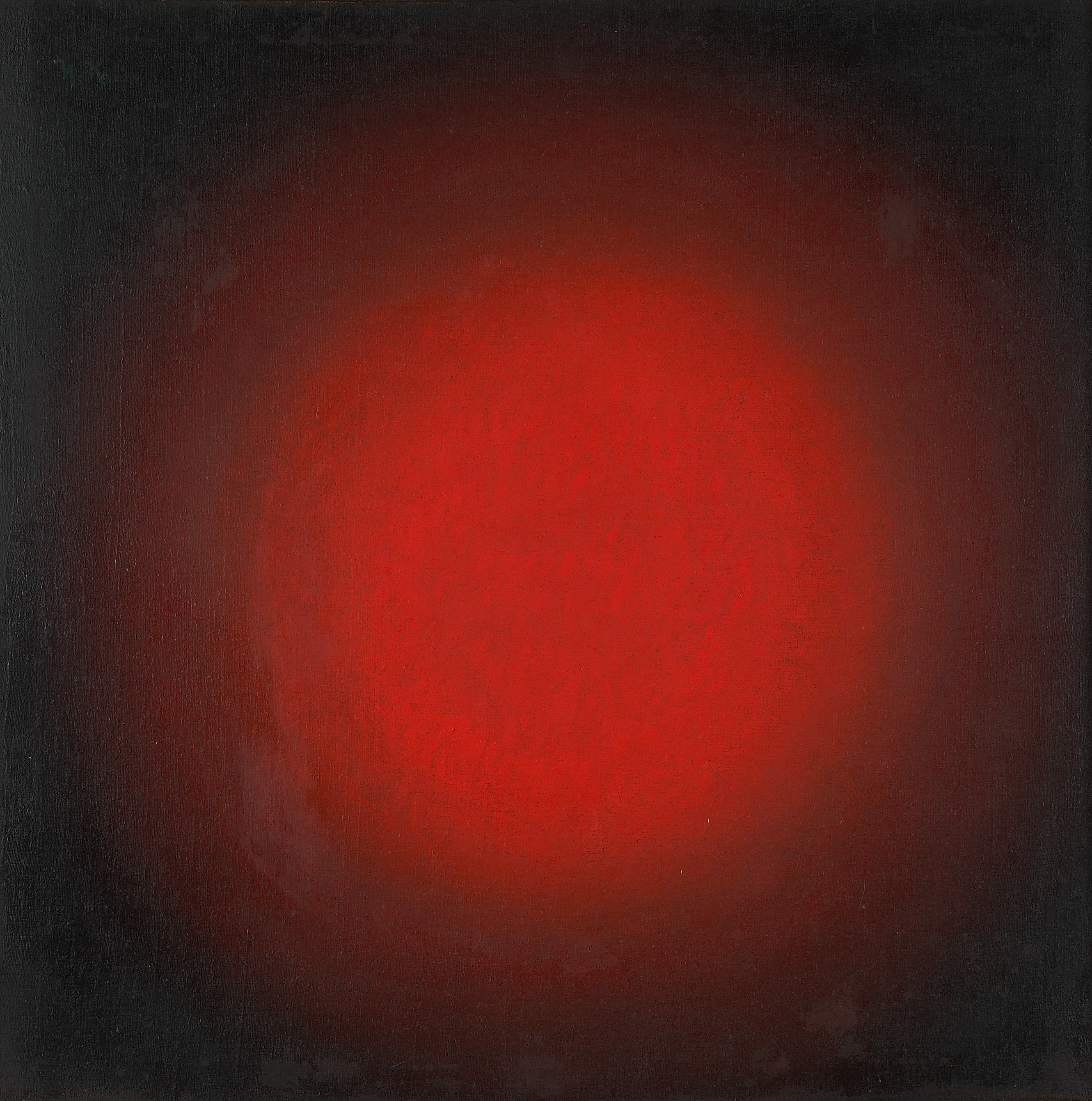
Ivan Kliun’s “Red Light: Spherical Composition” encompasses the theme of resurrection when thought of in connection with the modern phenomena of red-light therapy. The origin of red-light therapy, a skincare technique most notably used to mitigate anti-aging, is principally cosmist. NASA accidentally developed red-light therapy when they discovered red LED lighting of a certain frequency accelerates healing. This became particularly valuable as a way to heal cuts and abrasions in conditions of zero gravity, where the body heals very slowly. Red light as a resurrecting force is exemplified through a modern application of Kliun’s “Red Light: Spherical Composition”, an exemplary model of the Russian avant-garde movement, to modern day uses of red-light therapy.

The Organ Care System keeps lungs warm, breathing and nourished while outside the body.

 Soviet Museum Aesthetics