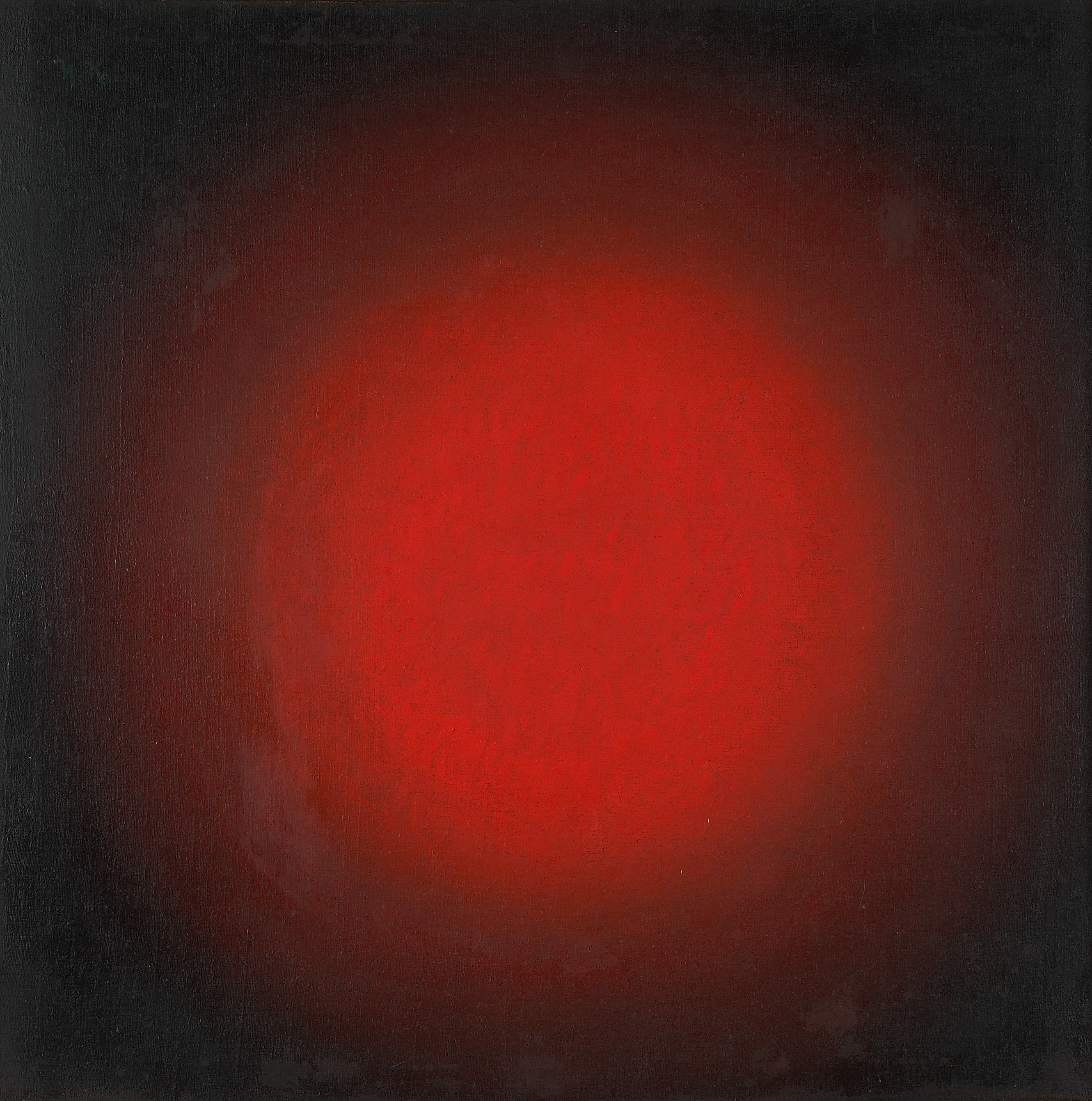
Soviet Museum Aesthetics in an interpretation of museological thought of the late 19th and early 20th century Soviet Union. Drawing from Nikolai Fedorov’s 1880 essay, “The Museum, Its Meaning and Mission”, the exhibition presents Resurrection, Reconciliation, and Cosmism as three principles of Fedorov’s approach to museology. Regarded as the father of Cosmism, a techno-utopian philosophical movement that sought to transcend human life into the cosmos, Fedorov sought to transform the conditions for art production whilst reimagining the meaning and mission of museums. Fedorov believed that death was a tragic misstep in evolution. He thought the human experience came with an ethical obligation to care for the sick. However, he took the idea one step further. Influenced by the rapid technological advancements of the early 20th century, Cosmism called on scientific achievement to prevent death and perform acts of reviving people from apparent death or unconsciousness. Fedorov believed that outer space was the key to immortal life and unlimited resources.
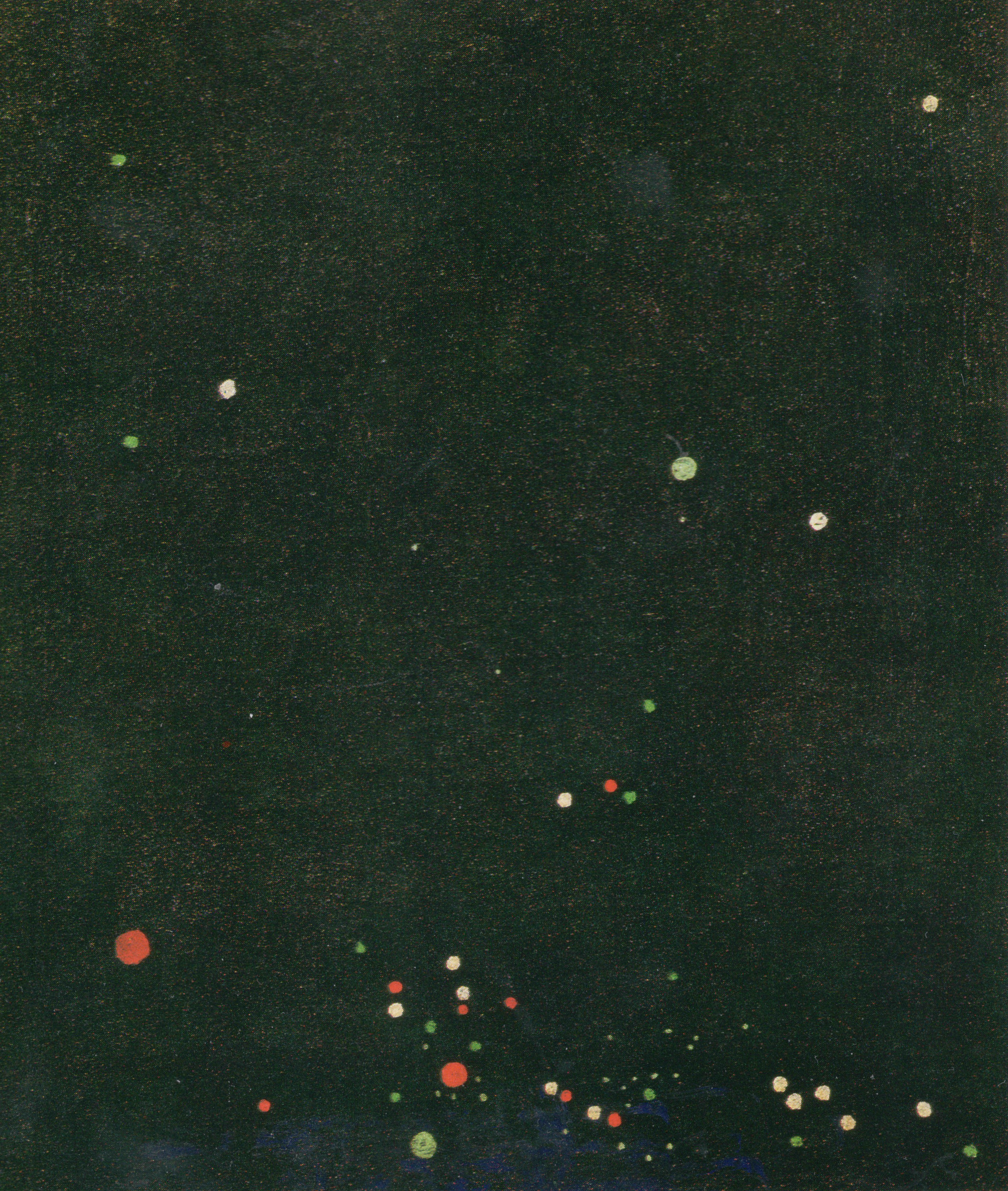
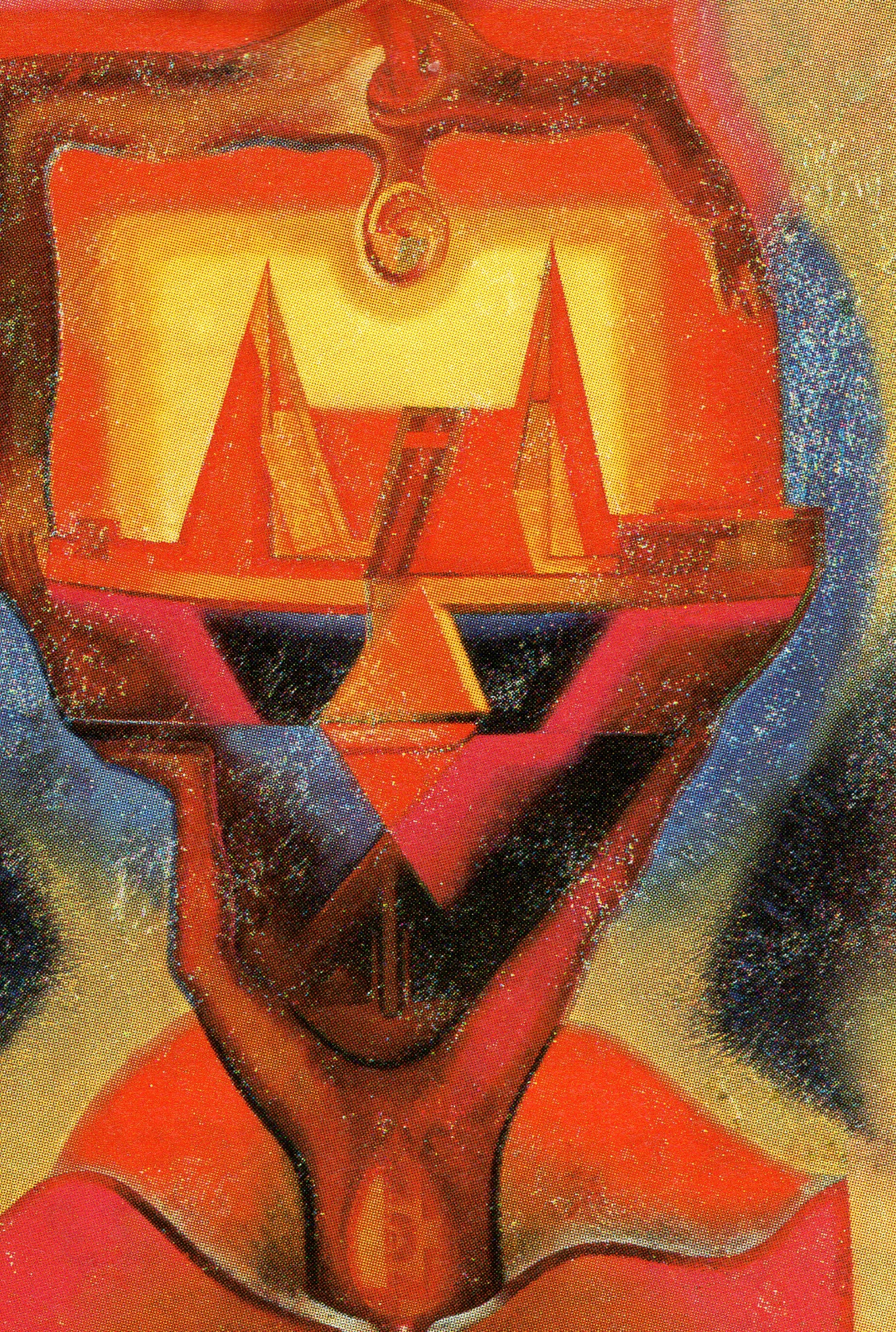
The artworks are meant to evoke the exhibition themes of Resurrection, Reconciliation, and Cosmism. Photographs are intended to be present-day interpretations of Soviet museological thought. An image of a living lung, outside of the human body that is kept alive through scientific achievement, is a testament to human innovation that has not found ways to resurrect all people, but a way for the dead to revive dying people. However estranged the ideas might feel, some museums are enacting Soviet museological ideas regardless of their familiarity with such ideas. The act of opening collections to Indigenous communities evokes the writings of Nikolai Punin and his call for the museum’s collections and archives to be consulted freely by anyone who wishes to do so. Changes such as encouraging visitors to offer their interpretation of artwork and history that centers the visitor’s voice are reflective of the calls in Soviet museums to offer multiple forms of information, grounding the interpretation of a piece of art with the historical processes associated with its production.
Resurrection

Cosmism
Reconciliation
 Soviet Museum Aesthetics